Why your team needs a Knowledge Manager

Good knowledge bases are a unicorn. They start with a simple idea - document what matters so your team can find it.
The caveat - it's tough to scale. A proper knowledge management system is complicated. Here's the simplest mind map we could find -
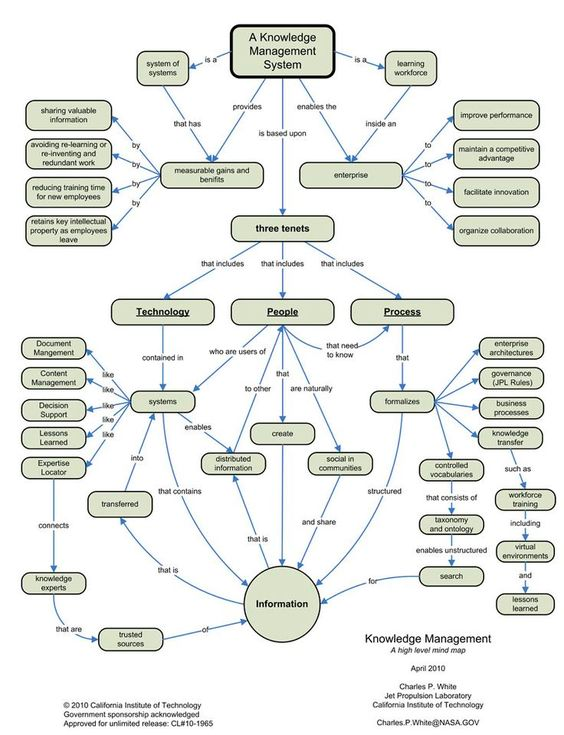
It's overwhelming, to say the least.
That's why knowledge managers exist. Their salaries range anywhere from $30,000 to a whopping $300,000+/yr, according to Glassdoor.
Why would a company spend in six figures to sort a bunch of documents?
Badly organized information makes a knowledge base obsolete. That means
- More meetings
- Productivity loss
- Slow decision-making
So if your team is constantly asking for links and your knowledge base is a graveyard, ask yourself - do you need a knowledge manager?
To help you decide, keep reading on when teams need a knowledge manager, when they don't, and how to hire one.
Teams don't need a Knowledge Manager, initially.
While having a dedicated knowledge manager is valuable, it doesn't always have to be a full-time gig. In some cases, like small lean teams or startups, managing internal knowledge can be a one-off project or seamlessly woven into existing roles. Think of it as the secret sauce that adds flavor to your team's recipe for success.
Within your team, there are unsung heroes, individuals with unique talents who naturally excel at driving the momentum of knowledge. They may be the ones who effortlessly organize information, document and share knowledge, or collaborate across different functions. They might not have an official title, but their passion for learning and innovation propels the team forward.
When Do You Need a Knowledge Manager?
You need a knowledge manager when information retrieval from your company's knowledge base gets tough. If your team has ever expressed sentiments like "I'm drowning in information overload," "There are loads of duplicated docs...," or "that used to be handled by X, but since they left the team, we have no idea how to...," it's likely time for you to hire a KM.
This need often arises when a company is experiencing rapid growth, expanding quickly, or has a remote team with a heavily asynchronous culture that would benefit from maximizing the potential of beautifully curated knowledge-sharing and consumption experiences.
Determining whether your team needs a KM doesn't require overly complicated processes. Consider factors such as your team size, company's growth, industry, work culture values, and, most importantly, pain points. If bringing order to information and sharing knowledge across teams would help you work smarter, a good knowledge manager can make a significant difference.
When do you not need a KM
You may not need a Knowledge Manager if:
- Your team is small and lean, or if you are part of a startup.
- Knowledge management can be seamlessly integrated into existing roles or treated as a one-off project.
- Individuals within your team possess strong organizational and collaborative skills.
- Empowering these team members to take on the responsibility can foster a culture of collective wisdom and innovation.
However, if your team is experiencing challenges such as information overload, duplicated documents, or a lack of knowledge transfer due to turnover, it may be necessary to consider hiring a dedicated Knowledge Manager.
So, what exactly does a knowledge manager do?
A knowledge manager is responsible for organizing, sharing, and maximizing the use of knowledge within a team or organization.
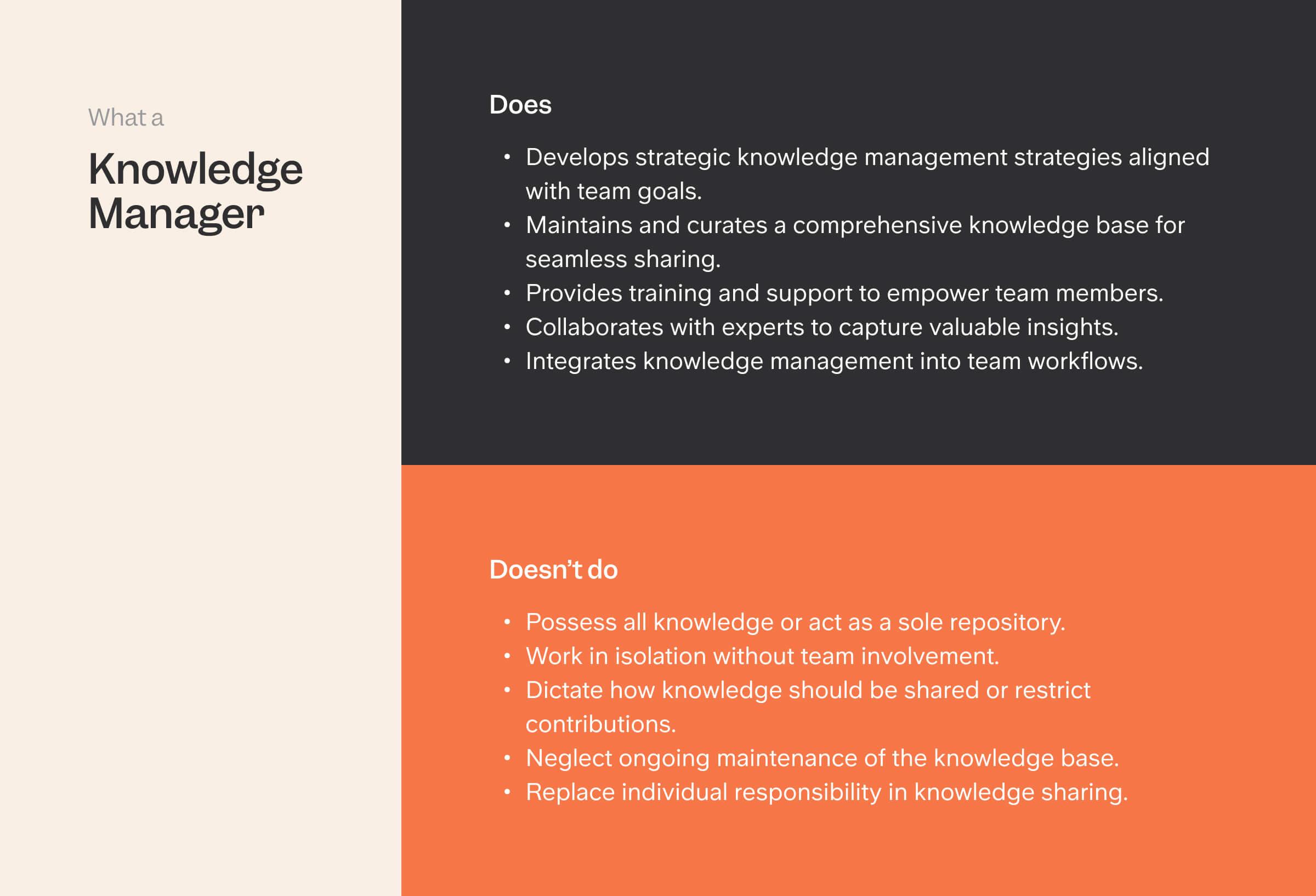
Like a savvy curator, they evaluate different options, considering factors like accessibility, user-friendliness, scalability, and seamless integration. They understand your team's unique needs and ensure that the chosen knowledge base aligns perfectly with your goals.
Once the knowledge base is in place, the knowledge manager takes the reins, becoming the ultimate responsible and caretaker of this valuable resource. They work closely with the team, gathering feedback, making improvements, and ensuring your know how stays organized, up-to-date, relevant, and, most importantly: a place where everyone feels free and empowered to contribute.
How to find your first KM
Finding the right knowledge manager for your team can be a strategic move. Consider these three potential candidates who possess the necessary skills and qualities:
- Customer Support: Support agents excel at gathering, organizing, and sharing information. They have a deep understanding of the team and relevant abilities. Promoting a support agent allows them to leverage their expertise and contribute company-wide. By evolving team knowledge, they unlock untapped potential and create a win-win situation.
- Project Managers: Project managers possess strong organizational skills and a knack for coordinating complex tasks. Their ability to oversee projects and collaborate with diverse teams makes them well-suited for knowledge management. They can bring structure and efficiency to the knowledge base, ensuring information is accessible and relevant.
- Technical Writers: With their expertise in creating clear and concise documentation, technical writers are adept at capturing and conveying complex information. Their attention to detail and communication ability makes them valuable knowledge managers. They can transform scattered pockets of information into a cohesive and user-friendly knowledge base.
When deciding between internal promotion and external hiring, consider your priorities and available resources. Internal promotion fosters a growth culture and utilizes existing team strengths. External hiring brings fresh perspectives and specialized experience. Choose the path that aligns best with your needs and set up a knowledge manager for success. By orchestrating a culture of knowledge sharing and collaboration, they harmonize your team's collective expertise, ensuring valuable insights are preserved. Their guidance empowers team members to find knowledge independently, boosting productivity and cultivating ownership.
What makes a great Knowledge Manager
A great Knowledge Manager (KM) is not just someone who organizes information or maintains a knowledge base. They are the driving force behind effective knowledge sharing, collaboration, and innovation within a team or organization. So, what sets a great KM apart from the rest? Let's delve into the key qualities and skills that make them exceptional:
1. Curiosity and Continuous Learning: A great KM is naturally curious and has a thirst for knowledge. They actively seek out new information, emerging trends, and best practices in their industry. This curiosity fuels their ability to stay ahead of the curve and ensure that the knowledge they manage is relevant and up-to-date.
2. Strong Communication Skills: A great KM possesses excellent communication skills, both written and verbal. They can convey complex information in a clear and concise manner, making it easily understandable for a diverse audience. Their communication skills also enable them to effectively collaborate with team members, gather feedback, and foster a culture of knowledge sharing.
3. Strategic Thinking: A great KM thinks strategically about knowledge management. They understand the broader goals and objectives of the team or organization and align their efforts accordingly. They develop a roadmap for knowledge sharing, prioritize initiatives, and identify opportunities for improvement. Their strategic thinking ensures that knowledge is leveraged to drive innovation and achieve business objectives.
4. Organizational and Analytical Skills: A great KM excels at organizing and structuring information effectively. They have a keen eye for detail and can identify patterns, trends, and gaps in knowledge. Their analytical skills enable them to evaluate different knowledge management tools and systems, ensuring the chosen solution meets the team's specific needs.
5. Collaboration and Relationship Building: A great KM understands the importance of collaboration and relationship building. They actively engage with team members, subject matter experts, and stakeholders to gather insights and knowledge. They create a supportive environment where team members feel empowered to contribute their expertise, leading to a culture of collective knowledge sharing.
6. Adaptability and Flexibility: A great KM embraces change and adapts to evolving technologies, processes, and tools. They are open to new ideas and approaches, constantly seeking ways to improve knowledge management practices. They can pivot and adjust their strategies to meet the needs of a dynamic and ever-changing work environment.
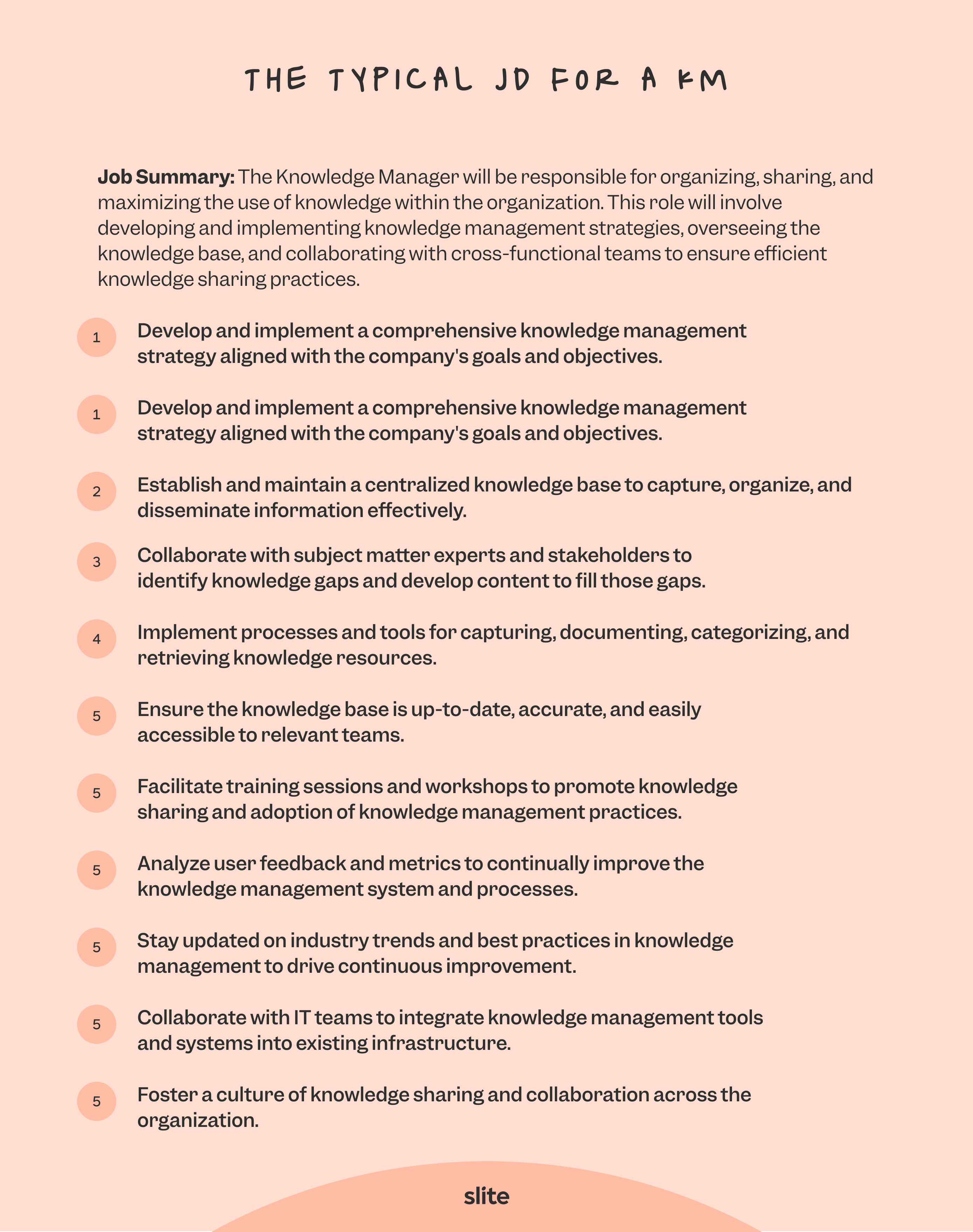
Example Knowledge Manager Job Description (JD)
If you're hiring for a Knowledge Manager role, here's a sample JD you can use:
Average salaries for knowledge managers
Here's a breakdown of average knowledge manager salaries for some specific regions, based on data from Glassdoor (2023)
United States:
- Average annual salary: $86,119
- Salary range: $66,000 (25th percentile) - $103,500 (75th percentile)
- Top earners (90th percentile): $329,500
Europe:
- Average salary: Varies greatly by country. Here are some examples:
- Germany: €58,293
- France: €56,753
- Spain: €20,000
- Netherlands: €55,000
- Salary range: Varies depending on country, experience, and industry.
Additional factors to consider:
- Location: Within each region, salaries can vary significantly depending on the city and cost of living.
- Industry: Certain industries like tech and finance typically offer higher salaries.
- Experience: The more experience you have, the higher your salary is likely to be.
- Company size and reputation: Larger, well-established companies often offer higher salaries than smaller startups.
How to support your Knowledge Manager
Setting your Knowledge Manager (KM) up for success is crucial to maximize the impact of their role in your organization. By providing the right support and resources, you can empower your KM to effectively drive knowledge sharing, collaboration, and innovation. Here's a practical guide to help you set your KM up for success:
1. Clearly Define Expectations and Goals
Start by clearly outlining the responsibilities and goals of your KM role. Make sure both you and your KM have a shared understanding of what is expected. Define key performance indicators (KPIs) and establish measurable objectives that align with your organization's knowledge management strategy. This clarity will provide your KM with a sense of purpose and direction.
2. Provide Adequate Resources
Equip your KM with the necessary tools, technologies, and resources to excel in their role. This may include providing access to knowledge management software, collaboration platforms, and training resources. Allocate enough time and budget for them to continuously learn and develop their skills.
3. Foster a Culture of Knowledge Sharing
Create an environment that values and encourages knowledge sharing across teams and departments. Foster open communication and collaboration, and recognize individuals who contribute to the knowledge base. By promoting a culture of knowledge sharing, you empower your KM to thrive and facilitate a collective learning experience.
4. Develop an Effective Knowledge Base
Collaborate with your KM to develop a user-friendly and comprehensive knowledge base. Identify key knowledge areas, organize information logically, and make it easily accessible to team members. Regularly review and update the knowledge base to keep it accurate and relevant.
5. Make them the owner of Super Deployment
A KM's role is to help people find info faster. With Super, your knowledge manager can connect all your company's tools and data sources to create a unified search experience that makes information instantly accessible. This powerful AI-powered search platform will dramatically reduce the time spent looking for information and help your team make better decisions with complete context.
Facilitate opportunities for your KM to collaborate with different teams and departments. Encourage cross-functional projects and initiatives that require knowledge sharing and collaboration. This not only broadens the KM's understanding of various areas but also builds a network of contacts within the organization.
7. Establish Feedback Mechanisms
Create channels for team members and stakeholders to provide feedback on the knowledge management efforts. This can be done through surveys, suggestion boxes, or regular meetings. Actively seek insights about the effectiveness of the knowledge base and the KM's support. Use this feedback to improve and refine your knowledge management practices.
Conclusion - Knowledge bases become hard to maintain with a bigger team, hire a Knowledge Manager
Having a Knowledge Manager can greatly benefit your team when it comes to dealing with information overload, duplicated documents, and a lack of knowledge transfer. While you may initially manage knowledge within existing roles or as a one-off project, a dedicated Knowledge Manager brings organization, efficiency, and innovation. They ensure that information is easily accessible, up-to-date, and shared across teams, empowering you to work smarter and be more productive.
By fostering a culture of collective wisdom and collaboration, a Knowledge Manager helps you unlock the full potential of your team. So, if you're struggling to find the information you need and want to navigate the complexities of knowledge management, it might be time to consider hiring a Knowledge Manager and implementing Super to transform how your team accesses and uses knowledge. Book a demo today to learn more.

Escrito por Ishaan Gupta
Ishaan tracks the AI knowledge work shift for Slite and Super. He reads too much, argues with too many takes, and tries to find the words for things before they have words, e.g. knowledge drift, context graphs, workslop, and whatever the next term will be. When he's not writing, he's probably building AI agents to do it for him.